
HGH Effects On Skin
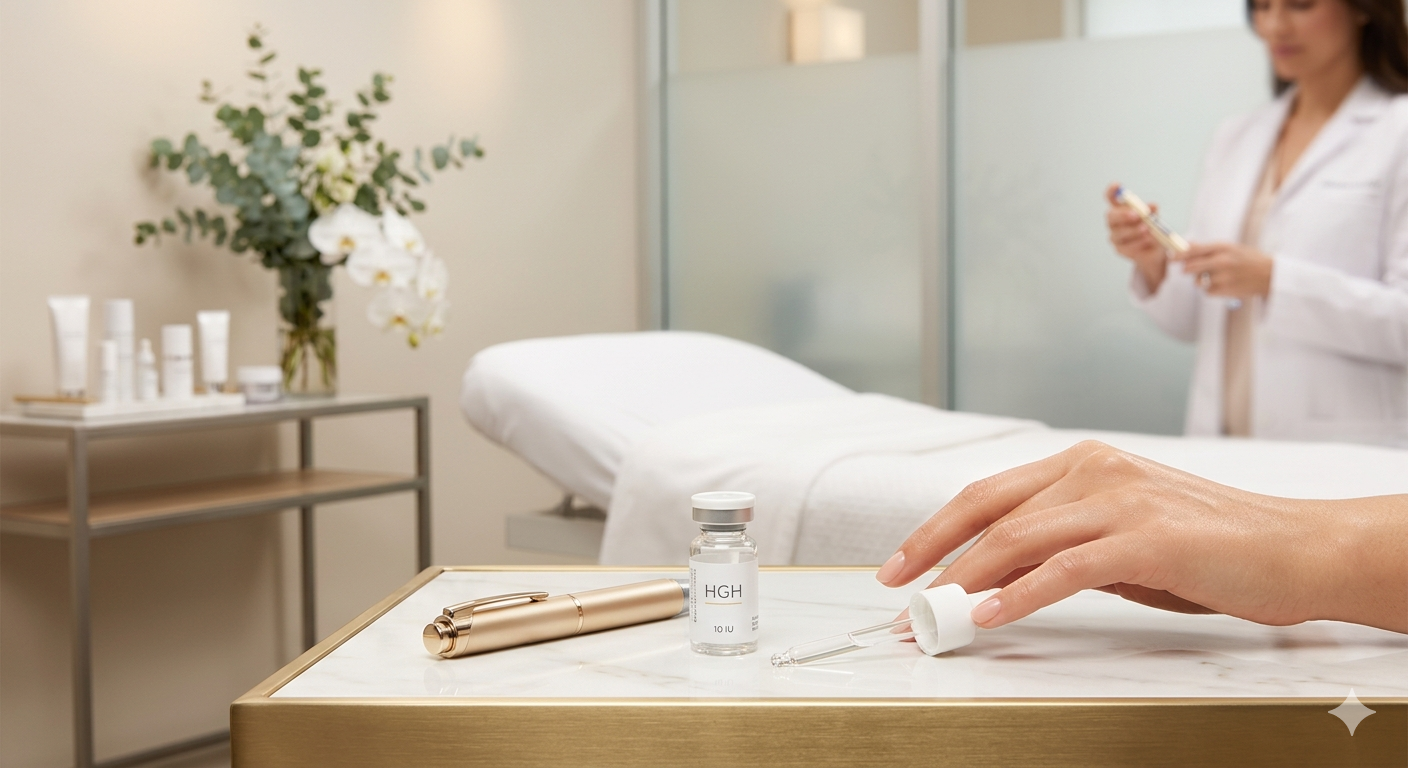
Human growth hormone is often discussed not only in relation to recovery and metabolism, but also because of its possible effects on skin appearance and aging. Many people associate HGH with smoother skin, improved elasticity, and a more youthful look. Because HGH is connected with tissue repair and collagen-related processes, it has become a popular topic in anti-aging and wellness discussions. However, the effects of HGH on skin can vary depending on hormone levels, overall health, dosage, and how the hormone is used.
How HGH Affects The Skin
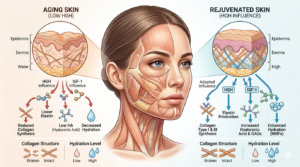
HGH affects the skin through several biological pathways related to tissue repair, hydration, collagen production, and cellular regeneration. Human growth hormone influences the activity of IGF-1, or insulin-like growth factor 1, which plays a role in skin maintenance and recovery processes. Because of this connection, HGH is often associated with skin elasticity, healing, and anti-aging effects.
One of the main ways HGH may influence skin is through collagen-related activity. Collagen is an important structural protein that helps maintain firmness, elasticity, and overall skin texture. As natural HGH production gradually declines with age, collagen production may also decrease, contributing to thinner skin and the appearance of wrinkles over time.
HGH is also connected with tissue regeneration and recovery. Since growth hormone participates in cellular repair processes, some people believe HGH may support healthier-looking skin and faster recovery after stress or irritation. However, results are not guaranteed, and excessive HGH use may also create unwanted side effects affecting skin appearance.
Several factors may influence how HGH affects the skin:
- age and natural hormone levels;
- hydration and nutrition;
- overall metabolic health;
- dosage and duration of HGH use.
Although HGH is often promoted in anti-aging discussions, skin appearance is influenced by many factors beyond hormone levels alone, including sun exposure, lifestyle habits, sleep quality, and genetics.
HGH And Collagen Production
HGH is closely connected with collagen production because growth hormone and IGF-1 activity may influence how the body maintains connective tissues and skin structure. Collagen helps keep the skin firm, elastic, and resistant to visible aging signs such as fine lines and sagging.
As HGH levels decline with age, collagen production may gradually decrease as well. This is one reason HGH is often discussed in relation to anti-aging therapies and skin appearance. However, collagen support from HGH can vary significantly between individuals and depends on overall health, hormone balance, and lifestyle factors.
Skin Regeneration And Healing
Growth hormone is involved in tissue repair and regeneration processes throughout the body, including the skin. Because of this, HGH is sometimes associated with faster recovery from skin stress, irritation, or minor damage.
Some people believe HGH may help support healthier skin texture and recovery by influencing cellular repair pathways. However, skin healing also depends heavily on nutrition, hydration, circulation, sleep quality, and overall health. HGH alone cannot fully compensate for poor lifestyle habits or existing skin conditions.
Potential Skin Benefits Of HGH
Potential skin benefits are one of the main reasons HGH receives attention in anti-aging and cosmetic wellness discussions. Because growth hormone is connected with collagen production, tissue repair, and hydration-related processes, some people associate HGH use with smoother, firmer, and more youthful-looking skin.
One commonly discussed benefit is improved skin elasticity. Collagen and connective tissue support may help the skin appear firmer and less fragile over time. Some users also report changes in skin texture, hydration, and overall appearance while using HGH therapy under medical supervision.
Another potential benefit involves skin recovery and regeneration. Since HGH participates in cellular repair pathways, some people believe it may support faster healing and recovery after skin stress or irritation. This connection between HGH and tissue repair is one reason the hormone is often mentioned in anti-aging treatments.
At the same time, it is important to separate realistic expectations from exaggerated marketing claims. HGH is not a guaranteed solution for wrinkles or skin aging, and visible results may vary greatly depending on age, genetics, overall health, and lifestyle factors. Sleep quality, hydration, nutrition, and sun exposure often influence skin appearance as much as hormone-related factors.
| Potential Skin Effect | Possible HGH Connection |
|---|---|
| Improved elasticity | Collagen-related activity |
| Skin hydration | Tissue and metabolic support |
| Recovery support | Cellular repair pathways |
| Firmer appearance | Connective tissue maintenance |
While some people pursue HGH because of possible cosmetic benefits, medical supervision remains important because hormone misuse may also increase the risk of side effects affecting the skin and overall health.
HGH Skin Tightening Effects
HGH skin tightening effects are often discussed because of the hormone’s connection with collagen production and connective tissue maintenance. Some people believe HGH may help improve skin firmness and elasticity by supporting structural proteins involved in maintaining skin texture.
As collagen and hydration levels change with age, the skin may gradually lose firmness and become more prone to sagging. Since HGH and IGF-1 pathways are linked with tissue repair processes, some users associate HGH therapy with a tighter or smoother skin appearance. However, visible skin-tightening effects can vary depending on age, hormone balance, genetics, and overall skin condition.
Anti-Aging And Wrinkle Reduction
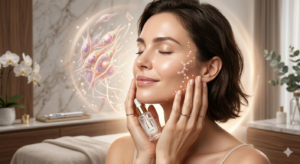
HGH is frequently mentioned in anti-aging discussions because some people associate it with smoother skin and reduced appearance of fine lines. Supporters of HGH therapy often believe the hormone may help maintain youthful-looking skin through collagen-related activity and improved tissue repair.
At the same time, HGH is not considered a guaranteed anti-aging treatment. Wrinkle formation depends on many factors including sun exposure, hydration, genetics, smoking, stress, and overall skin care habits. While some individuals report cosmetic improvements, results are highly individual and may not match exaggerated anti-aging marketing claims.
HGH Injection Site Reactions
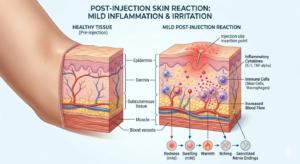
HGH injection site reactions are among the most commonly reported skin-related side effects associated with HGH administration. Because HGH is typically injected either subcutaneously or intramuscularly, the skin and surrounding tissue may sometimes react to the injection itself rather than to the hormone alone.
Mild redness, swelling, itching, tenderness, or irritation can occasionally occur around the injection area. In many cases, these reactions are temporary and may improve as the skin recovers. However, repeated injections into the same location or improper injection technique may increase irritation and discomfort over time.
The type of injection method used can also influence skin reactions. Subcutaneous HGH injections, which are administered into fatty tissue beneath the skin, may sometimes cause small localized bumps or temporary swelling. Intramuscular injections may lead to deeper soreness or tissue sensitivity depending on needle placement and injection depth.
Several factors may contribute to HGH injection site irritation:
- repeated injections in the same location;
- poor sterile handling practices;
- incorrect injection technique;
- skin sensitivity or mild allergic reactions.
Storage conditions and product quality may also play a role. Improperly stored HGH or contaminated injection materials could increase the risk of irritation or inflammation. This is why proper hygiene and refrigeration guidelines are important when handling HGH products.
Most mild injection-site reactions resolve without major complications. However, severe swelling, persistent pain, warmth, or signs of infection should not be ignored and may require medical evaluation.
Why HGH Injection Sites Become Red Or Itchy
Redness or itching at HGH injection for sale sites can happen for several reasons. One common cause is minor irritation created when the needle enters the skin or underlying tissue. Small inflammatory reactions may occur naturally as the body responds to the injection process.
Another possibility is repeated use of the same injection location, which may increase local skin sensitivity over time. In some cases, reactions may also be linked to preservatives, mixing solutions, or improper sterile handling practices.
Mild itching or redness is usually temporary, but persistent irritation, strong swelling, or pain may indicate a more serious issue such as contamination or infection risk.
Risks And Side Effects Of HGH For Skin
Although HGH is often associated with cosmetic and anti-aging discussions, its use may also create several risks and side effects affecting the skin. Because human growth hormone directly influences tissue growth, fluid balance, metabolism, and hormone activity, improper use or excessive exposure may negatively affect skin appearance and overall skin health.
One of the most commonly discussed side effects is fluid retention. Increased water retention may cause puffiness or swelling, especially around the face, hands, or injection areas. Some individuals may also experience changes in skin texture or increased oiliness during HGH use.
Injection-related irritation is another important concern. Repeated injections into the same location may increase redness, itching, swelling, or localized skin sensitivity. Improper sterile technique may also raise the risk of bacterial contamination or skin infections.
In some cases, HGH-related hormone imbalance may indirectly contribute to acne or skin breakouts. Since hormone activity can influence oil production and inflammatory responses, excessive HGH exposure may affect certain individuals differently depending on genetics and skin type.
Possible skin-related side effects associated with HGH include:
- swelling and fluid retention;
- redness or itching at injection sites;
- acne or oily skin;
- irritation caused by repeated injections.
Another concern involves counterfeit or low-quality HGH products obtained from unregulated sources. Contaminated products or incorrect formulations may increase the risk of severe skin irritation or allergic reactions.
While some people seek HGH for potential cosmetic improvements, misuse or unrealistic dosing practices may create the opposite effect and negatively impact skin health instead of improving it.
How To Use HGH Safely For Skin Health
Using HGH safely for skin health requires careful medical supervision, proper dosing, and realistic expectations. Although some people associate HGH with anti-aging and cosmetic skin benefits, human growth hormone is still a powerful hormone that directly affects metabolism, tissue repair, and hormone balance throughout the body.
One of the most important safety factors is using pharmaceutical-quality HGH under professional guidance. Before HGH therapy is considered, healthcare providers may evaluate hormone levels, metabolic health, medical history, and possible risk factors. This helps reduce the chance of side effects and unnecessary hormone exposure.
Proper injection practices are also essential for protecting skin health. HGH products should be stored correctly, handled under sterile conditions, and injected using clean supplies and proper technique. Rotating injection sites regularly may help reduce irritation, redness, swelling, or localized skin sensitivity.
Lifestyle habits also play a major role in skin appearance during HGH use. Even if HGH influences collagen-related pathways, factors such as hydration, sleep quality, nutrition, stress management, and sun protection remain extremely important for maintaining healthy skin.
Safe HGH-related practices may include:
- medical supervision and hormone monitoring;
- proper storage and sterile handling;
- rotating injection locations;
- maintaining healthy skin-care and lifestyle habits.
Another important point is avoiding unrealistic expectations. HGH is not a guaranteed cosmetic treatment, and excessive dosing may increase the risk of swelling, oily skin, irritation, or hormone-related imbalance. Long-term skin health depends on overall wellness rather than hormone use alone.
Individuals experiencing severe skin reactions, persistent swelling, signs of infection, or worsening skin problems should seek medical evaluation instead of continuing unsupervised HGH use.
Alternatives To HGH For Skin Improvement
Many people interested in improving skin appearance choose alternatives to HGH because they want lower-risk or more accessible approaches to anti-aging and skin care. While HGH is often associated with collagen production and tissue repair, skin health can also be supported through non-hormonal methods that may carry fewer risks.
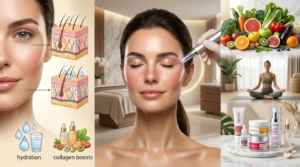
One of the most effective alternatives is maintaining healthy lifestyle habits. Proper hydration, balanced nutrition, sleep quality, stress management, and consistent sun protection all play major roles in preserving skin elasticity and reducing visible aging signs. Collagen-supporting nutrients and skin-care routines may also help improve overall skin texture over time.
Some individuals also explore cosmetic dermatology treatments or medically supervised skin therapies instead of HGH. Depending on individual goals, treatments focused on hydration, collagen stimulation, or skin resurfacing may provide targeted cosmetic improvements without systemic hormone exposure.
Common non-HGH approaches to skin improvement include:
- hydration and nutrition support;
- collagen-focused skin care;
- sun protection and recovery habits;
- medically supervised cosmetic treatments.
Another reason people consider alternatives is concern about HGH-related side effects, legal restrictions, or injection-related discomfort. Since skin aging is influenced by many factors beyond hormone levels alone, long-term skin health often benefits more from consistent healthy habits than from aggressive hormone-focused approaches.
Ultimately, improving skin appearance safely usually involves a combination of proper skin care, healthy lifestyle practices, and realistic expectations rather than relying entirely on HGH for cosmetic results.