
Taking HGH As An Adult
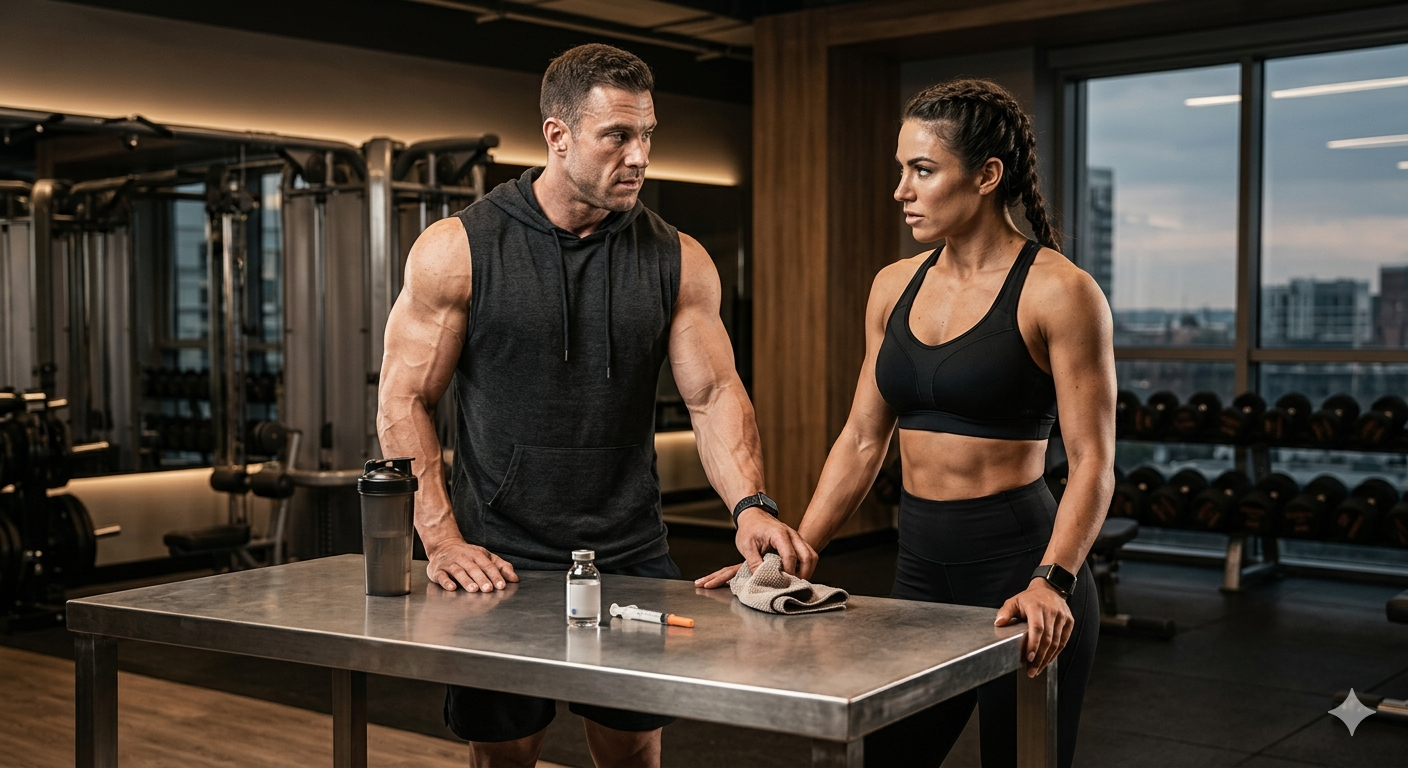
Human growth hormone has become increasingly popular among adults interested in fitness, recovery, wellness, and anti-aging support. As HGH levels naturally decline with age, many people begin researching whether hormone therapy could help improve energy, body composition, recovery, or overall quality of life. At the same time, HGH remains one of the most misunderstood hormones in the wellness world. While some adults pursue HGH because of potential benefits, others are concerned about side effects, long-term risks, and legal restrictions surrounding its use.
How HGH Functions In The Body
HGH, or human growth hormone, is a naturally occurring peptide hormone released by the pituitary gland. During childhood and adolescence, it plays a central role in physical growth and development. In adulthood, HGH continues supporting several important functions related to recovery, metabolism, tissue repair, and overall physical maintenance.
One of the key ways HGH works is through its relationship with IGF-1, or insulin-like growth factor 1. After HGH is released, it stimulates IGF-1 production in the liver and other tissues. Together, these hormones help regulate processes connected with protein synthesis, muscle maintenance, connective tissue repair, and metabolic activity.
Because HGH interacts with many systems in the body, its effects extend beyond muscle growth alone. Growth hormone influences recovery after exercise, sleep-related repair processes, energy balance, and even skin and connective tissue health. This broad impact is one reason HGH has become widely discussed in both medical therapy and anti-aging communities.
Some functions commonly linked with HGH include:
- tissue repair and recovery support;
- muscle and connective tissue maintenance;
- metabolic and energy-related activity;
- interaction with IGF-1 pathways.
Even though HGH plays an important role in adult health, hormone balance depends on far more than growth hormone alone. Sleep quality, nutrition, stress levels, exercise habits, and overall metabolic health all influence how the body responds to HGH activity.
HGH Production In Adults
The body continues producing HGH throughout adulthood, although production gradually decreases with age. Most HGH release happens in pulses, especially during deep sleep, recovery periods, and after intense physical activity.
Lifestyle factors can strongly influence HGH levels in adults. Sleep deprivation, chronic stress, poor nutrition, and lack of exercise may negatively affect natural growth hormone production over time. Because of this, healthy lifestyle habits remain important even for adults considering HGH therapy or hormone-support strategies.

Why Adults Take HGH
Adults explore HGH for different reasons depending on their goals and health concerns. Some people become interested in HGH injections for sale because of its connection with recovery, muscle maintenance, and energy levels, while others focus more on anti-aging or wellness-related effects.
In medical settings, HGH may be prescribed for diagnosed growth hormone deficiencies or certain metabolic conditions under professional supervision. Outside medical treatment, HGH is commonly discussed in bodybuilding, recovery, and longevity-focused communities because of its perceived role in physical performance and tissue repair.
Benefits Of Taking HGH
Interest in HGH among adults is largely driven by the potential benefits associated with recovery, body composition, and overall physical maintenance. Because growth hormone is connected with tissue repair and metabolic activity, many people associate HGH with improved recovery capacity and better support for an active lifestyle.
One commonly discussed benefit involves muscle maintenance and recovery. HGH participates in protein synthesis and tissue repair pathways that help the body recover after exercise or physical stress. Adults experiencing age-related muscle loss or slower recovery sometimes view HGH as a possible way to support physical resilience.
Energy and recovery capacity are also frequent topics in HGH discussions. Some adults report improvements in overall recovery, training tolerance, or general wellness during medically supervised therapy. Since HGH is involved in several repair-related biological processes, it is often associated with physical maintenance and adaptation.
Another major reason adults explore HGH is its connection with anti-aging discussions. Growth hormone is linked with collagen-related activity, skin maintenance, and tissue regeneration pathways. Because natural HGH production decreases over time, some people believe supporting hormone balance may help maintain a more youthful appearance or improved recovery capacity.
| Potential Benefit | Why Adults Associate It With HGH |
|---|---|
| Recovery support | Tissue repair and protein synthesis |
| Muscle maintenance | Recovery-related pathways |
| Energy and resilience | Metabolic activity |
| Skin and anti-aging interest | Collagen and tissue support |
At the same time, expectations should remain realistic. HGH is not a guaranteed anti-aging solution or shortcut to dramatic physical transformation. Results vary greatly depending on health status, lifestyle habits, sleep, training quality, and medical supervision.
Muscle Growth And Recovery
Muscle growth and recovery are some of the most common reasons adults become interested in HGH therapy. Growth hormone is closely connected with protein synthesis and tissue repair processes that help the body recover after exercise, physical stress, or demanding training routines.
Adults involved in fitness or strength training sometimes believe HGH may help improve recovery between workouts and support lean muscle maintenance over time. Recovery-related pathways involving HGH and IGF-1 are also linked with connective tissue support, which may influence overall physical resilience during training.
However, HGH does not work like a direct muscle-building shortcut. Recovery quality still depends heavily on nutrition, sleep, exercise consistency, stress management, and overall metabolic health. Even with HGH therapy, poor lifestyle habits may limit recovery and physical progress.
Energy And Anti-Aging Effects
Many adults associate HGH with improved energy levels and anti-aging support because natural growth hormone production gradually declines over time. Some individuals report improvements in recovery capacity, physical resilience, or overall wellness during medically supervised HGH therapy.
HGH is also connected with collagen production and tissue maintenance, which is one reason it appears frequently in anti-aging discussions related to skin quality and recovery. However, anti-aging expectations surrounding HGH are often exaggerated. Aging is influenced by many factors including genetics, lifestyle, sleep, stress, and long-term health habits, not growth hormone alone.
Does Taking HGH Make You Taller
One of the most common misconceptions about HGH is the belief that taking growth hormone as an adult can significantly increase height. HGH plays a major role in physical growth during childhood and adolescence, but height growth depends on whether the growth plates in the bones are still open.
During puberty and teenage development, growth plates remain active, allowing bones to lengthen in response to hormones such as HGH and IGF-1. Once adulthood is reached, these growth plates usually close permanently. After closure, the body can no longer significantly increase bone length regardless of HGH exposure.
This is why HGH therapy in adults is generally associated more with recovery, metabolism, tissue maintenance, and body composition rather than increased height. Some adults may notice posture-related improvements or temporary changes linked with fluid balance, but these are not the same as true skeletal growth.
Growth hormone can still affect tissues throughout adulthood, including muscles, skin, and connective tissues. However, the biological limitations created by closed growth plates prevent meaningful increases in height for most healthy adults.
| Age Group | Potential HGH Effect On Height |
|---|---|
| Children and adolescents | May support normal growth if medically indicated |
| Adults with closed growth plates | Minimal or no significant height increase |
Because of this limitation, many height-related claims surrounding HGH products marketed to adults are misleading or unrealistic.
Can HGH Increase Height In Adults
For most adults, HGH cannot significantly increase height because growth plates have already closed by the time physical maturity is reached. Once these plates harden, bones no longer continue lengthwise growth in response to HGH.
Although HGH may still influence muscle, connective tissue, and metabolism in adults, it does not typically restart skeletal growth. This is why medically supervised HGH therapy for adults focuses on hormone deficiency treatment, recovery support, or metabolic health rather than increasing height.
Does Taking HGH Affect Natural Hormone Production
Taking HGH may influence the body’s natural hormone balance, especially when external growth hormone is used over extended periods or without medical supervision. Because HGH interacts with several endocrine pathways, introducing synthetic hormone products may affect how the body regulates its own hormone activity.
The endocrine system normally works through feedback mechanisms that help maintain balance between hormones. When synthetic HGH is introduced, the body may adjust certain signaling processes related to growth hormone and IGF-1 production. The extent of these changes can vary depending on dosage, duration of use, individual biology, and overall health status.
In medically supervised treatment, healthcare providers monitor hormone levels carefully to reduce the risk of imbalance. However, unsupervised HGH use may increase the likelihood of hormonal disruption or metabolic complications over time.
Another important point is that HGH does not function independently from other hormones. Growth hormone activity is connected with sleep, stress response, insulin regulation, metabolism, thyroid activity, and testosterone-related pathways. Because of this, changes in HGH exposure may indirectly affect other hormone systems as well.
Potential hormone-related concerns associated with HGH use may include:
- altered IGF-1 signaling;
- changes in metabolic regulation;
- effects on insulin sensitivity;
- disruption of hormone balance over time.
The body’s response to HGH can differ significantly between individuals, which is why professional monitoring remains important whenever hormone therapy is considered.
HGH And Testosterone Levels
HGH and testosterone are different hormones, but they are both connected with recovery, metabolism, and physical maintenance. Testosterone mainly influences muscle development, strength, libido, and reproductive health, while HGH is more closely linked with tissue repair, recovery pathways, and metabolic activity.
Because both hormones affect physical performance and body composition, adults sometimes discuss them together in fitness and anti-aging communities. However, taking HGH does not automatically increase testosterone levels. The relationship between these hormones is complex and varies depending on overall endocrine health, age, sleep quality, stress levels, and medical conditions.
Side Effects And Risks Of Taking HGH
Although HGH is often associated with recovery and anti-aging discussions, taking growth hormone as an adult may involve several side effects and health risks. Because HGH directly affects metabolism, fluid balance, tissue growth, and hormone regulation, improper use or excessive dosing can create complications even when the goal is wellness or recovery support.
One of the most commonly reported side effects is fluid retention. Some individuals experience swelling in the hands, feet, or face because HGH can influence water balance throughout the body. Joint discomfort, stiffness, muscle soreness, numbness, and tingling sensations are also frequently discussed during HGH use.
Metabolic complications are another important concern. HGH may affect blood sugar regulation and insulin sensitivity, which could increase the risk of glucose-related problems over time. Individuals with preexisting metabolic conditions may face greater risks during unsupervised HGH use.
Injection-related side effects may also occur. Poor sterile technique, repeated injections into the same location, or low-quality products may increase the risk of irritation, swelling, bruising, or infection. In addition, counterfeit HGH products obtained from unregulated sources may contain incorrect ingredients or inconsistent hormone concentrations.
Possible side effects associated with HGH use include:
- swelling and fluid retention;
- joint or muscle discomfort;
- changes in blood sugar regulation;
- irritation at injection sites;
- hormone-related imbalance.
Another issue is unrealistic expectations. Some adults may pursue HGH hoping for dramatic anti-aging or body transformation results while ignoring lifestyle habits that play a much larger role in long-term health. Sleep quality, nutrition, exercise, stress management, and recovery remain essential even during medically supervised hormone therapy.
Because of these risks, HGH should never be treated as a casual wellness shortcut. Proper medical supervision and hormone monitoring are important whenever growth hormone therapy is considered.
What Happens When You Stop Taking HGH
What happens after stopping HGH can vary depending on the reason it was used, the duration of therapy, and the individual’s natural hormone levels. Adults using medically supervised HGH therapy for diagnosed deficiencies may notice changes in recovery, energy levels, or overall wellness if treatment is discontinued.
Some people report feeling reduced recovery capacity or lower physical resilience after stopping HGH, especially if they had become accustomed to the effects associated with therapy. However, experiences vary greatly between individuals, and many factors influence how the body adjusts after discontinuation.
Lifestyle habits become especially important after stopping HGH. Sleep quality, nutrition, exercise consistency, stress management, and metabolic health all continue affecting hormone balance and recovery capacity regardless of whether HGH therapy is used.
In cases of unsupervised or excessive HGH use, stopping suddenly may also reveal underlying health issues or hormone imbalance that developed during misuse. This is one reason professional monitoring is recommended whenever HGH therapy is started or discontinued.
Is Taking HGH Safe And Legal
Whether HGH is safe and legal depends heavily on how and why it is being used. In medical settings, HGH may be legally prescribed for diagnosed hormone deficiencies or specific health conditions under professional supervision. In these situations, treatment protocols are monitored carefully to reduce risks and manage side effects.
Outside approved medical use, HGH laws can vary depending on the country and local regulations. In many regions, obtaining or using HGH without a prescription may be restricted or illegal. HGH is also prohibited in most professional sports organizations because it is classified as a performance-enhancing substance.
Safety is another important issue. Medically supervised HGH therapy may be safer than unsupervised use because healthcare providers monitor hormone levels, metabolic markers, and possible side effects throughout treatment. Unregulated products or black-market HGH may carry much higher risks because of contamination, inaccurate dosing, or counterfeit ingredients.
Several factors influence HGH safety:
- product quality and source;
- dosage and duration of use;
- medical supervision and monitoring;
- overall metabolic and cardiovascular health.
Adults considering HGH should understand that hormone therapy is not risk-free, even when potential benefits are discussed. Proper evaluation and professional guidance remain essential before starting any HGH-related treatment.

Pros And Cons Of Taking HGH
Taking HGH as an adult involves both potential advantages and important disadvantages. Some adults become interested in HGH because of its connection with recovery, body composition, energy levels, and anti-aging discussions. Others are concerned about side effects, legal restrictions, and long-term hormone-related risks.
Potential benefits often discussed include recovery support, tissue repair, muscle maintenance, and improved physical resilience during aging. Some individuals also associate HGH with skin quality, collagen-related processes, and overall wellness support.
At the same time, HGH use may involve significant drawbacks. Side effects such as swelling, joint discomfort, insulin sensitivity changes, and hormone imbalance are important concerns. HGH therapy may also be expensive, heavily regulated, and unrealistic for people expecting dramatic anti-aging or physique transformation results.
| Potential Pros | Possible Cons |
|---|---|
| Recovery and tissue support | Risk of side effects |
| Muscle maintenance | Hormone-related imbalance |
| Wellness and anti-aging interest | Legal and regulatory restrictions |
| Metabolic and recovery pathways | High cost and medical supervision requirements |
Ultimately, the decision to buy HGH should involve realistic expectations, medical evaluation, and a clear understanding of both the possible benefits and the risks associated with hormone therapy.