
Does HGH Make You Tired? How to Manage Fatigue, Sleep, and Energy Levels
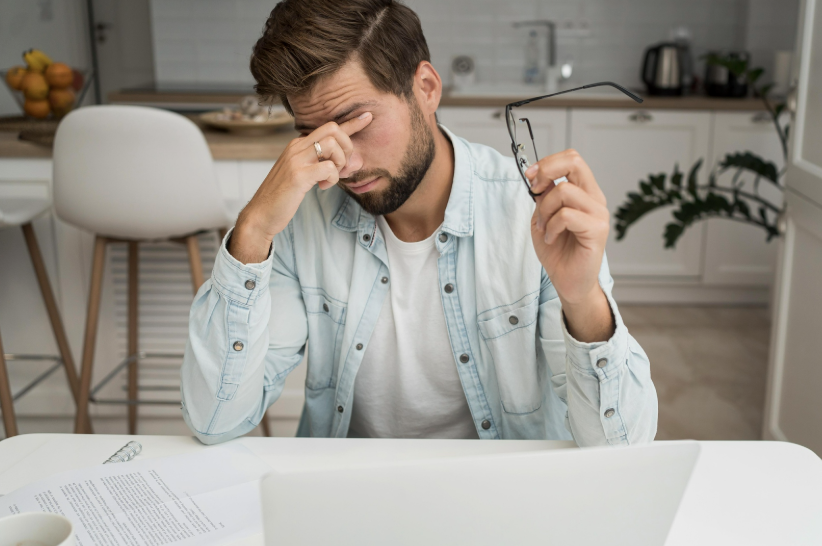
Does HGH make you tired? This is an obvious question considering that the growth hormone is related to body recovery and metabolism, and these processes are natural to your day-night cycle. Does HGH make you sleepy? Most reports of fatigue and tiredness result from a short period of adjustment, a sleep schedule getting off, and a dosage that is higher than what your body actually requires.
Or does HGH give you energy instead? In this article, you will learn more about what can be done to help you feel normal again.
HGH and Sleep: How Growth Hormone Affects Your Sleep Cycle?
The relation between HGH and sleep has been researched for decades. In most people, the largest pulse of natural GH happens immediately after falling asleep and coincides with the first phase of slow-wave sleep.
Growth hormone is part of your body’s process of repair and recovery while sleeping. When your body begins to produce GH because of therapy, it can cause sleep disruption from HGH intake. Depending on the time and dosage, and your body’s condition and rest quality before therapy, you may notice:
- More stable recovery the next day;
- Feeling sleepy earlier or later than usual;
- Night awakenings that do not match the circadian rhythm and HGH pattern.
HGH sleep effects depend on the extent to which the medication schedule aligns with the nighttime HGH release cycle.
HGH for Sleep: Can HGH Improve Sleep Quality?
Individuals who experience a growth hormone deficiency often experience improved overall well-being when the GH levels are restored to normal. The quality of sleep is a part of overall well-being. However, for those who do not experience a growth hormone deficiency, the results of using HGH for sleep are quite indeterminate. It might feel good when the dosage is right, but it might also feel bad when it is too high, the injections are not correctly timed, and the levels of blood sugar are unstable. It is much wiser to try to improve the quality of rest rather than relying only on HGH for sleep.
Does HGH Make You Tired or Sleepy During the Day?
The HGH tired effect is not experienced by everyone. However, when people inject growth hormone, they experience a sudden rush of the hormone, which affects their sleeping patterns and metabolism. This results in tiredness and lethargy.
It has been suggested that changes in deep sleep patterns, as well as changes in the way the body metabolizes glucose and energy, may play a role in this tiredness. Other reports indicate that the timing of the HGH injections, e.g., taking it in the morning as opposed to before bed, may interfere with the body’s natural rhythms and cause sleepiness during the day. While some report better rest and more energy as the system adjusts to the HGH, this sleepiness is known to be a temporary side effect of injections for some users.
HGH Fatigue: Temporary Side Effect or Hormonal Imbalance?
HGH fatigue can be a side effect of using hormones, which is temporary, or it can be a hormonal imbalance or deficiency, which also causes the same outcome:
- Short-term fatigue: mild, early, and improving week by week as routines settle.
- Persistent fatigue: steady or worsening, often combined with sleep issues, swelling, tingling hands, headaches, or glucose control changes.
In case you experience worsening fatigue in a few weeks after starting the treatment, it is advisable to consult your medical professional to adjust your GH dose and injection schedule.
HGH Insomnia: Why Some People Struggle to Sleep on HGH?
HGH insomnia often occurs when your body clock does not match your HGH therapy schedule or when you are using a dosage that is higher than your body can handle. Some common patterns in HGH-related insomnia causes:
- Feeling ‘wired’ when they inject HGH late in the evening;
- Changes in blood sugar levels during the night can wake you up;
- Cortisol and sleep imbalance;
- Increasing congestion, swelling, or resistance in your breathing.
It is also important to consult a medical professional regularly. Too much GH can, in fact, result in a number of medical problems, such as sleep apnea.
HGH and Sleep Timing: Morning vs Night Injections
Many growth hormone sleep cycle protocols are designed with an evening injection, but there are some studies on morning usage, indicating that either of them may work, but an evening dosage is closer to the normal diurnal rhythm of GH. If your sleep patterns are getting choppy, talk with your prescriber about whether changing dosing times or splitting dosages may work better with your plan. If you already struggle with insomnia, a schedule change may be a cleaner first move than adding sleep aids.
Does HGH Give You Energy or Make You More Tired?
If you really need growth hormone replacement, then yes, your energy levels may improve, and your recovery may get easier. GH is not a stimulant, but it does help with recovery. Sometimes, before you really begin to feel better, you may feel worse or slower. That’s just your body adjusting. When your recovery gets better, then your energy gets better. And when your sleep gets worse, your energy gets worse, even if your hormones are working just right.

HGH Energy Levels Over Time: What to Expect
The most noticeable changes are felt within a week, such as heaviness, puffiness, or sleepiness. After a few weeks, your HGH sleep regulation, mood, and exercise recovery begin to settle down if your dosage timing of HGH injections is correct. After your body gets used to HGH injections, you know whether it’s working with your body or not. So what affects this progress the most?
- Your daily routine;
- Your training recovery;
- Your meal and alcohol intakes;
- Your stress levels and screen time.
Keep notes on bedtime, wake-ups, morning energy, afternoon slumps, and workout recovery. This information will help make medical adjustments extremely precise, if needed.
How to Manage HGH Fatigue and Sleep Issues?
If you feel that your nighttime HGH injections effects are causing problems with your sleep, talk with a medical professional about adjusting your injection times to earlier in the day if possible. Establish a structured bedtime routine with regular wake times and a cool, dark bedroom, and avoid late-day caffeine consumption.
Remember that heavy training and new hormones may cause fatigue, so consider reducing your training for a period of time to allow your sleep patterns to improve. If you experience snoring, headaches, or unrefreshing sleep, talk with doctors about possible sleep apnea, as there is some evidence that growth hormone therapy can cause apnea symptoms.
Always read the medication information that comes with your injections and talk with your medical professional if you have any side effects, such as unusual fatigue or swelling.
When to Adjust HGH Dosage or Stop Use
Never “self-correct” by increasing and decreasing the dose. If you experience any of the following side effects, talk with your medical professional immediately:
- Excessive daytime sleepiness that doesn’t improve with routine adjustments;
- Insomnia that lasts over a couple of weeks;
- Swelling, numbness/tingling sensations, severe headaches, or changes in vision;
- Increased snoring or suspected apnea;
- Distinct changes in your mood and glucose levels.
Any dose adjustments should be based on your symptoms and lab work (usually IGF-1), and the plan should be adjusted to your diagnosis and treatment goals.

Does HGH Make You Tired and How Can You Fix It?
Excessive tiredness while on growth hormone treatment has a rational explanation that you can work with. It’s probably related to sleep schedule, slow wave sleep HGH patterns, or a dose that’s not well matched with your current physiology. The solution is usually a matter of adjusting the schedule with your body’s internal clock and ensuring the sleep quality is treated with the same attention that the injection itself receives.