
HGH vs Testosterone: What’s the Difference, and Which One Makes Sense for You?
If you’re trying to clean what your body needs to feel better, you may struggle with a choice between hormone optimization programs. The problem with their evaluation is that to compare human growth hormone vs testosterone as an “either/or” choice is unfair.
Rather than pursuing the hormone that allegedly is stronger or the latest trend that you have seen on the internet, it is more reasonable to take a look at what each hormone does, when it is actually medically appropriate, and where the expectation is often misrepresented by the bodybuilding community or the internet. Each time you place the physiology with the diagnostic process side by side, you have to ask yourself, how does the HGH vs testosterone question have more to do with putting the right tool in the right problem than vice versa.
This guide keeps it simple. You’ll get the difference between HGH and testosterone, how HGH vs TRT is typically handled in medical care, what “HGH vs testosterone therapy” actually means, and how to think about next steps.
Human Growth Hormone vs Testosterone: How These Hormones Work
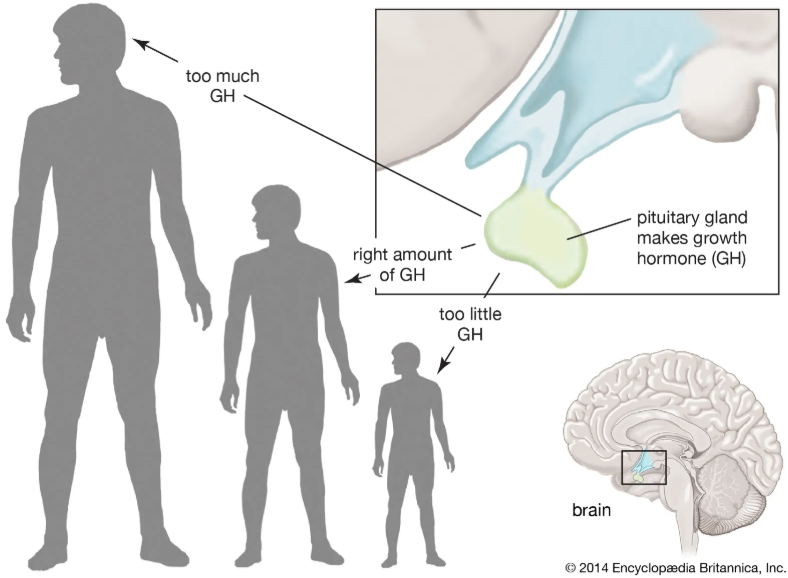
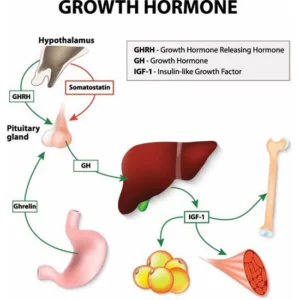
HGH is produced by the pituitary gland. It helps in repairing tissue, metabolism, and training stress response. Clinicians frequently measure IGF-1, seeking to evaluate the growth hormone system, but it is usually nearly impossible to diagnose HGH deficiency in adults by relying solely on lab value stimulation tests.
Testosterone is the main androgen that is produced in the testes, with small amounts also produced in the adrenal glands. This affects libido, mood, production of red blood cells, bone growth, and muscle growth through the androgen receptor. When doctors talk about testosterone replacement therapy (TRT), the objective is to treat confirmed testosterone deficiency, which is determined by symptoms along with repeat morning labs, and then get the patient through the treatment.
People like to compare human growth hormone vs testosterone; this is because they both can have an influence on how you feel and perform. However, aren’t their biology and medical uses interchangeable?
Is HGH Testosterone? Understanding the Biological Difference
Is HGH testosterone? No. It isn’t. Here’s the clean version:
- Different sources: HGH comes from the pituitary gland; testosterone is produced mainly in the testes.
- Different signaling: testosterone acts through androgen receptors; HGH has broader growth/repair and metabolic pathways and is often discussed alongside IGF-1.
- Various tests: testosterone deficiency can be diagnosed with repeat early-morning testing and symptoms; suspected adult GH deficiency.
Many tests are usually not diagnosed by a single test, but rather by a more specific diagnostic method. When someone has asked you, or told you about hearing the following: “Is HGH and testosterone the same thing?” and been told they’re “basically the same,” that’s marketing talk, not physiology.
HGH vs Testosterone Therapy: TRT vs HGH Explained
TRT is used to treat low testosterone (hypogonadism) in men, and it treats symptoms such as low libido, fatigue, and muscle loss.
HGH therapy has been used to correct a deficiency in growth hormone in children (growth) and adults (to correct body composition, bone density, and metabolism).
Online, “HGH vs TRT” often gets framed like a showdown. In clinical practice, HGH vs testosterone therapy has two separate checklists.
| Feature | HGH Therapy | Testosterone Therapy (TRT) |
| Primary Purpose | Treat Growth Hormone Deficiency (GHD) | Treat Testosterone Deficiency (Hypogonadism) |
| Main Patient Groups | Adults & children with diagnosed GHD | Primarily, men with clinically low testosterone |
| Common Prescription Reasons | Poor tissue repair, low bone density, abnormal body fat distribution, pediatric growth failure | Low libido, erectile dysfunction, unexplained fatigue, muscle loss, mood disturbances |
| Primary Action | Stimulates cell regeneration, fat metabolism, and IGF-1 production | Directly enhances muscle protein synthesis, regulates sex drive, and improves red blood cell production |
HGH or TRT: Which Therapy Fits You?
When you are stagnated on HGH or TRT, it would be more helpful to begin with: What problem do we want to solve, and what do the labs indicate?
In a typical clinician-led evaluation, you’ll see three layers either for HGH or testosterone:
- Symptoms and timeline
What changed when it started? What makes it better or worse? - Lifestyle and recovery basics
Sleep schedule, training volume, nutrition consistency, stress load, alcohol, and medications. - Labs that match the story
For testosterone: Repeat early-morning testing is a standard step before any diagnosis is made.
For HGH concerns: IGF-1 can be part of the picture, but it doesn’t replace an appropriate diagnostic pathway when clinical suspicion is present.
Testosterone vs HGH Bodybuilding: Muscle Growth
The query testosterone vs HGH bodybuilding is common; let’s set aside reality from the shortcuts taken on the internet.
Testosterone has direct connections with pathways of muscle function and strength. When the amount of testosterone is low, people may experience a decrease in their ability to train, a decrease in their recovery, and differences in body composition. In that setting, TRT is medical replacement – not a performance strategy.
HGH is commonly thought of in terms of tissue rebuilding and metabolic impacts. Some people see the HGH drippers over the last muscle size change because they expect it to happen very quickly. But if you’re not training, not eating right, not sleeping right, even sometimes, it could take a long time to see the changes you want in your body.
If your query is something like HGH vs test, then it’s worth coming out and admitting to the reason: Physique-centric search on the net often strays a bit too far into unsafe harbor.
HGH vs Testosterone for Fat Loss and Body Recomposition
HGH is more potent for directly promoting fat metabolism. It mobilizes stored fat for energy, particularly targeting visceral fat.
The first effect of testosterone is an anabolic effect that stimulates the synthesis of muscle protein and increases strength, which indirectly promotes fat loss, as it increases metabolic rate.
Individuals who seek HGH vs testosterone for fat loss are often seeking an obvious choice. The truth, though, is that the weight loss remains the same and is reduced to regular nutrition, protein consumption, weight training, and sleep. Hormones can have an effect on the ability to maintain that plan, so assess at a minimum the symptoms and the basics.
HGH vs Test – Energy, recovery, and “anti-aging” messaging
HGH vs Test is a common search when people feel tired, slow to recover, or worried about “aging faster than they should.” There is a lot of internet content on hormones that states that you are going to be okay in a few seconds: inject this, improve this, and your energy, skin, and exercises will automatically fall back into place. Real medicine is more secretive and systematic.
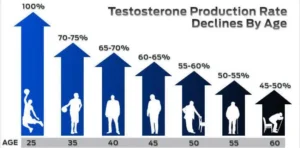
Clinicians begin with the fundamental factors that have a great impact on recovery and day-to-day feelings: Sleep length and quality, possible sleep apnea; general stress and anxiety load; training volume to actual recovery ability; nutrition, alcohol, and long-term body weight trends. In that place, labs can assist in making it clear whether hormones are also involved in the picture, or it is just a distraction.
TRT and HGH Together – Can You Combine Both?
Search volume for TRT and HGH together is high because it sounds like “best of both worlds.” In clinical care, combination discussions can happen, but they require a clear medical rationale and careful monitoring.
Two points keep people grounded here:
- Each therapy has its own risk profile and follow-up needs. That includes regular lab work, dose adjustments, and monitoring for side effects over months.
- Many symptoms improve when sleep, weight, stress, and recovery habits are addressed – sometimes without adding another therapy layer.
If you’re thinking about TRT and HGH at the same time, treat it like a clinical decision.
Is HGH better than testosterone? Pros and cons
Most of the time, “better” isn’t the right frame. A cleaner frame is: Which one matches the diagnosis and has a sensible monitoring plan?
- TRT can be appropriate when testosterone deficiency is confirmed with symptoms and repeat morning testing, as emphasized by major clinical guidelines.
- HGH-related treatment is a separate clinical pathway and often requires more specific diagnostic confirmation (frequently involving stimulation testing) rather than relying on one marker alone.
Is HGH better than testosterone? Both can be misused when the workup is skipped. That’s where most bad outcomes start: wrong problem, wrong solution.
Main differences at a glance
| Topic | HGH (Growth Hormone) | Testosterone / TRT |
| What it is | Pituitary hormone tied to tissue repair and metabolism | Androgen tied to libido, mood, bone, and muscle health |
| How it’s evaluated | Often involves a clinical context and, in many cases, stimulation testing | Diagnosed with symptoms, plus repeat early-morning testosterone testing |
| Common mismatch | Expecting a quick body change without a diagnosis | Starting therapy without a confirmed deficiency or follow-up planning |
HGH vs Testosterone: What’s the Real Difference?
The difference between HGH and testosterone is subjective in terms of function, testing, and use as a form of medicine. They can overlap in terms of the issues that people are concerned about – relations to energy, recovery, body composition – but they aren’t substitutes.
And if you are considering HGH vs TRT or testosterone therapy, upstreaming to a clinician-led evaluation is the best next step! This helps link your symptoms to repeat labs and your overall health, providing you with clarity, risking less, and not having to waste time hopping out of one side of the boat of conflicting opinions to the other.