
Is HGH Banned In Sports
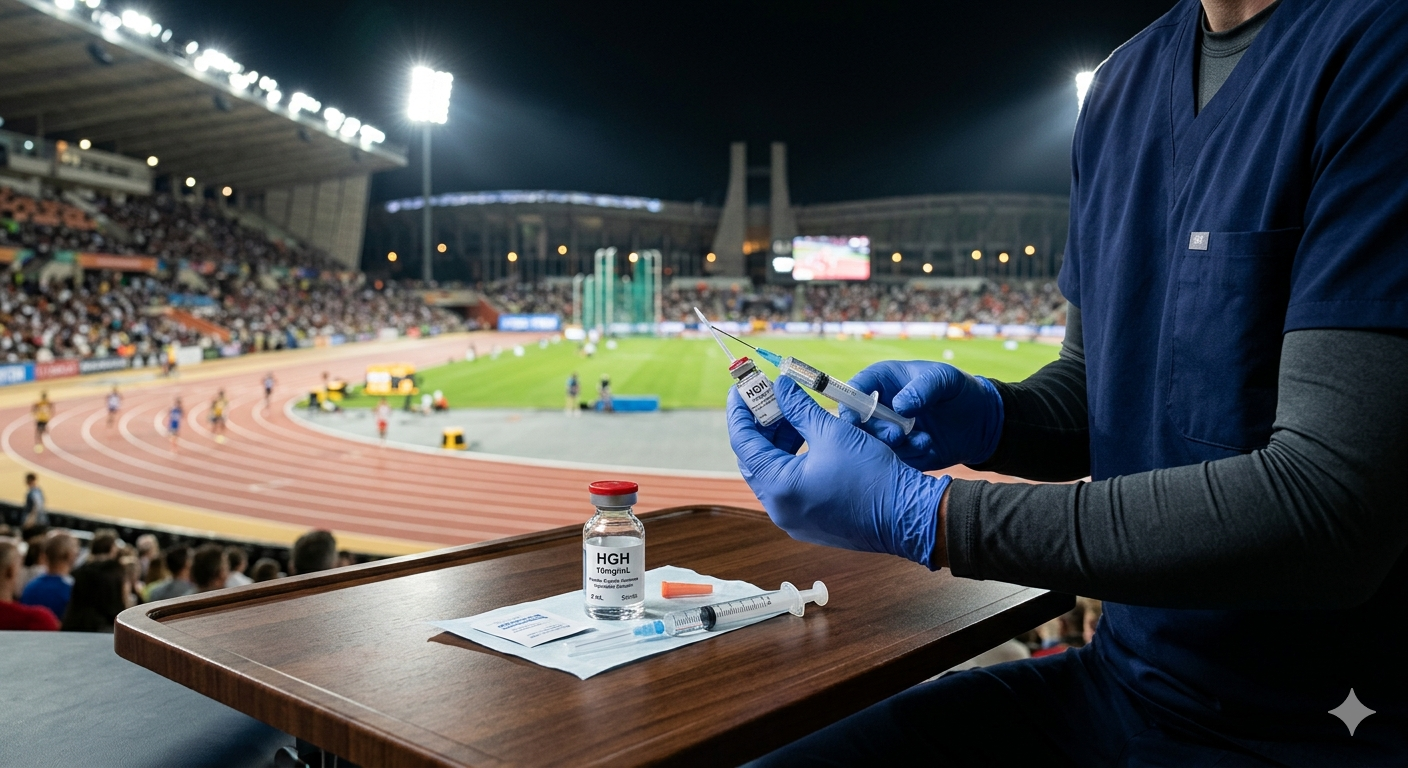
Human growth hormone, commonly known as HGH, has been a controversial topic in professional and competitive sports for many years. Athletes, coaches, and sports organizations continue debating its effects on recovery, performance, and fairness in competition. One of the most common questions is whether HGH is banned in sports and why athletic organizations strictly regulate its use. Today, HGH is prohibited in most professional sports because it is classified as a performance-enhancing substance by major anti-doping authorities, including the World Anti-Doping Agency (WADA).
What Is HGH And How It Works
HGH, or human growth hormone, is a peptide hormone naturally produced by the pituitary gland. It plays an important role in growth, tissue repair, metabolism, recovery, and body composition. During childhood and adolescence, HGH supports physical development, while in adults it continues helping regulate muscle maintenance, energy balance, and recovery processes.
The body naturally releases HGH in pulses throughout the day, especially during deep sleep and periods of physical stress or exercise. HGH also stimulates the production of IGF-1, or insulin-like growth factor 1, which is connected with tissue repair and growth-related processes throughout the body.
Synthetic HGH products are designed to replicate the biological activity of naturally produced growth hormone. In medicine, HGH may be prescribed for specific hormone deficiencies or medical conditions under professional supervision. However, in sports and bodybuilding, HGH is often discussed because of its perceived connection with recovery, lean body composition, and physical performance.
Some effects commonly associated with HGH include:
- influence on recovery processes;
- support for tissue repair;
- metabolic and hormone-related activity;
- interaction with IGF-1 pathways.
Because HGH directly affects hormone balance and metabolism, its use is tightly regulated in professional athletics and competitive sports organizations.
Natural Vs Synthetic HGH
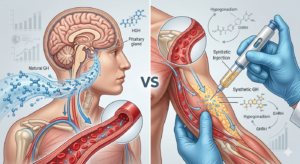
Natural HGH is produced by the body through the pituitary gland and released according to biological hormone rhythms. Synthetic HGH, often called somatropin, is manufactured using recombinant DNA technology to imitate natural human growth hormone.
Although synthetic HGH is designed to function similarly to naturally produced HGH, its use in sports is treated differently because athletes may use external hormone administration to influence recovery, body composition, or performance-related factors beyond natural physiological limits.
Why Athletes Use HGH
Athletes and bodybuilders sometimes use HGH because they believe it may help improve recovery, support lean muscle maintenance, and reduce recovery time between intense training sessions. HGH is also associated with tissue repair and metabolic effects, which makes it attractive in sports focused on strength, endurance, or physical conditioning.
In some cases, athletes may use HGH hoping to improve training capacity or maintain performance during demanding competition schedules. However, many claims regarding dramatic performance enhancement remain controversial, and the risks associated with HGH misuse are significant.
Why HGH Is Banned In Sports
HGH is banned in sports primarily because it is considered a performance-enhancing substance that may provide athletes with an unfair competitive advantage. Major anti-doping organizations prohibit HGH use because of its potential influence on recovery, tissue repair, body composition, and physical conditioning. Sports authorities aim to maintain fair competition and reduce the health risks associated with performance-enhancing drug use.
One reason HGH receives so much attention is its connection with recovery and adaptation. Athletes involved in intense training programs may believe HGH can help them recover faster between workouts or competitions. Faster recovery could potentially allow athletes to train more frequently or tolerate higher physical stress levels compared to competitors relying only on natural recovery processes.
Another factor is the possible influence of HGH on body composition and muscle-related pathways. Although scientific debate continues regarding the exact performance benefits, anti-doping organizations generally focus not only on proven outcomes but also on the possibility of unfair enhancement through artificial hormone manipulation.
Health concerns also contribute to the ban. HGH misuse may increase the risk of side effects such as fluid retention, joint discomfort, metabolic disturbances, and hormone imbalance. Sports organizations aim to protect athlete health while discouraging unsafe experimentation with hormone-related substances.
Several reasons contribute to the HGH ban in sports:
- potential performance enhancement;
- possible unfair competitive advantage;
- athlete health and safety concerns;
- prevention of hormone misuse in competition.
In addition, HGH is often associated with broader doping practices involving other substances or hormone-based enhancement strategies. Because of this, anti-doping authorities treat HGH as part of a larger effort to regulate performance-enhancing drug use in professional sports.
HGH As A Performance Enhancing Drug
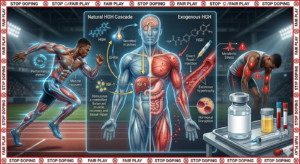
HGH is classified as a performance-enhancing drug, or PED, because athletes may use it in an attempt to influence recovery, body composition, and training adaptation. Even though research findings regarding direct performance improvement remain debated, HGH is still considered capable of affecting athletic preparation and recovery patterns.
Anti-doping organizations generally evaluate substances not only by confirmed results but also by their potential to alter fairness in competition. Since HGH may influence recovery and physical conditioning, it is included on prohibited substance lists across many professional sports.
Anti-Doping Rules And Organizations
Anti-doping rules related to HGH are enforced by organizations such as the World Anti-Doping Agency (WADA), Olympic committees, and professional sports leagues. WADA includes HGH on its prohibited substances list and works with sports organizations worldwide to regulate hormone-related doping practices.
Athletes competing in regulated sports may be subject to testing both during and outside competition periods. Anti-doping rules are designed to promote fair competition, athlete safety, and integrity within professional sports environments.
Effects Of HGH On Sports Performance
The effects of HGH on sports performance remain one of the most debated topics in modern athletics. Supporters of HGH use often claim that the hormone may improve recovery, training capacity, and body composition, while critics point to limited scientific evidence and significant health risks. Despite ongoing debate, anti-doping organizations continue treating HGH as a prohibited performance-enhancing substance because of its potential influence on athletic preparation and recovery.
One of the most commonly discussed effects is recovery support. HGH is connected with tissue repair and metabolic activity, which leads some athletes to believe it may help reduce recovery time after intense exercise or competition. Faster recovery could theoretically allow athletes to train more frequently or tolerate higher training loads.
HGH is also associated with body composition changes. Some athletes believe it may help support lean muscle maintenance while influencing fat metabolism. However, the relationship between HGH and direct athletic performance improvement is more complex than many marketing claims suggest. Increased muscle size or altered body composition does not automatically translate into better strength, endurance, speed, or skill performance.
Another factor often discussed is the interaction between HGH and IGF-1 pathways. Because these pathways are involved in tissue growth and recovery processes, athletes may view HGH as a tool for improving physical conditioning. At the same time, sports organizations remain concerned that artificial hormone manipulation could undermine competitive fairness.
Potential areas athletes associate with HGH use include:
- recovery between training sessions;
- tissue repair and recovery support;
- body composition management;
- tolerance for high training workloads.
Scientific research regarding HGH and direct sports performance remains mixed. While some studies suggest possible recovery-related effects, others show limited improvement in measurable athletic performance. This uncertainty is one reason HGH continues to generate controversy in both sports science and anti-doping regulation.
Benefits Athletes Seek From HGH
Athletes who use HGH often hope to achieve faster recovery, reduced physical fatigue, and improved ability to tolerate demanding training schedules. Some users believe HGH may help support lean muscle retention while reducing recovery time after intense exercise.
Others associate HGH with improved body composition, tissue repair, and long-term training adaptation. In endurance sports, strength training, and bodybuilding, HGH is sometimes viewed as a recovery-support tool rather than purely a muscle-building substance. However, many of these perceived benefits remain controversial and may vary significantly between individuals.
Risks And Side Effects Of HGH Doping
HGH doping carries several potential risks and side effects, especially when the hormone is used without medical supervision or combined with other performance-enhancing substances. Because HGH directly affects metabolism, tissue growth, fluid balance, and hormone regulation, improper use may create both short-term and long-term health concerns.
One of the most commonly reported side effects is fluid retention. Athletes using HGH may experience swelling in the hands, feet, or joints due to changes in water balance. Joint discomfort, muscle pain, numbness, and tingling sensations are also frequently discussed in connection with excessive HGH exposure.
Metabolic complications are another important concern. HGH may affect blood sugar regulation and insulin sensitivity, potentially increasing the risk of glucose-related problems over time. In addition, hormone imbalance caused by prolonged or excessive HGH use may place stress on multiple body systems.
Psychological pressure can also contribute to HGH misuse in sports. Athletes competing at high levels may feel pressure to seek competitive advantages or maintain performance despite injury, fatigue, or demanding training schedules. This environment may increase the temptation to experiment with banned substances despite the health risks involved.
Possible risks and side effects associated with HGH doping include:
- swelling and fluid retention;
- joint and muscle discomfort;
- hormone-related imbalance;
- blood sugar and metabolic complications;
- increased risk of unsafe doping practices.
Another concern is the use of counterfeit or low-quality HGH products obtained through illegal sources. Unregulated products may contain incorrect ingredients, contamination, or inaccurate hormone concentrations, which can increase health risks even further.
Because of these concerns, professional sports organizations and medical experts continue warning athletes about the dangers of HGH misuse outside legitimate medical treatment.
How HGH Doping Is Detected
Detecting HGH doping has historically been more difficult than testing for many traditional performance-enhancing drugs. One reason is that human growth hormone is naturally produced by the body, which makes it harder to distinguish between normal biological production and synthetic HGH administration. However, anti-doping organizations have developed specialized testing methods designed to identify abnormal hormone patterns linked with HGH use.
One commonly used approach is the HGH isoform test. This method compares the different forms of growth hormone found naturally in the body with patterns associated with synthetic HGH administration. Since pharmaceutical HGH may temporarily alter the normal balance of HGH isoforms, testing can sometimes identify suspicious hormone profiles after use.
Another detection method focuses on biological markers connected with HGH activity. Instead of measuring HGH directly, some tests analyze changes in substances influenced by growth hormone, including IGF-1 and other biomarkers related to tissue growth and metabolism. These markers may remain altered longer than HGH itself, potentially extending the detection window.

Athletes competing in professional sports may be tested both during competitions and outside official events. Random testing programs are used because some athletes may attempt to time HGH administration around expected testing schedules.
Common HGH detection methods include:
- HGH isoform testing;
- biomarker and IGF-1 analysis;
- blood-based anti-doping tests;
- random out-of-competition testing.
Despite advances in anti-doping science, HGH detection still presents challenges because hormone levels naturally fluctuate due to sleep, exercise, stress, and individual biology. For this reason, anti-doping laboratories continue developing more sophisticated testing methods to improve accuracy and reliability.
In addition to laboratory testing, sports organizations may investigate suspicious performance patterns, medical records, or links to illegal doping networks. HGH detection is therefore part of a broader anti-doping strategy aimed at protecting athlete safety and preserving fair competition.
Legal And Ethical Issues Of HGH In Sports
The use of HGH in sports raises both legal and ethical concerns. Legally, HGH is prohibited in most professional and Olympic-level sports under anti-doping regulations enforced by organizations such as WADA and national sports authorities. Athletes caught using HGH without a legitimate medical exemption may face suspensions, disqualification, financial penalties, or damage to their professional reputation.
One major ethical issue involves fairness in competition. Many sports organizations argue that artificial hormone enhancement undermines equal competition by giving some athletes access to performance-related advantages unavailable through natural training alone. Even when the exact performance effects remain debated, anti-doping policies aim to prevent artificial manipulation of recovery and physical conditioning.
Another ethical concern relates to athlete health and pressure within competitive sports environments. Athletes may feel forced to consider banned substances in order to remain competitive against opponents suspected of doping. This can create a culture where health risks become secondary to performance expectations and financial success.
Legal injectable hgh for sale use may still exist in medicine when prescribed for diagnosed conditions under professional supervision. However, using HGH outside approved medical treatment or within prohibited sports environments can create serious legal and disciplinary consequences.
Important ethical and legal concerns include:
- fairness and integrity in competition;
- athlete safety and long-term health;
- pressure to use performance-enhancing substances;
- violations of anti-doping regulations.
Because of these concerns, anti-doping organizations continue emphasizing education, testing, and prevention programs designed to discourage HGH misuse in professional athletics.